
401(k) Match Checklist: Stop Leaving Free Money on the Table
True-up rules, payday timing, and vesting cliffs decide whether you actually capture the full employer match.
Clear ETF and portfolio explainers for long-term investors. No hype, no stock tips — just the mechanics of how investing actually works, in plain English.
True-up rules, payday timing, and vesting cliffs decide whether you actually capture the full employer match.

Tax-advantaged space is limited. A simple priority order beats random contributions across three apps.
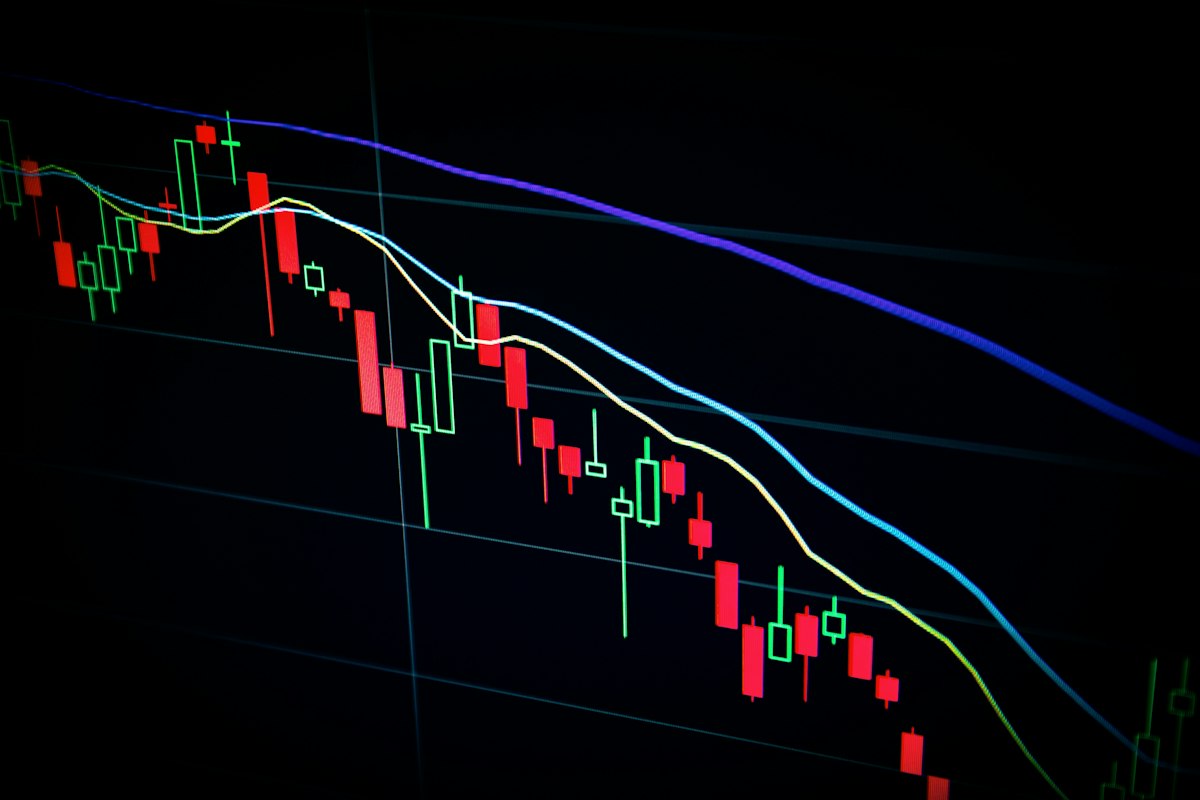
A 0.5% fee looks harmless on a factsheet. Compounded for 30 years, it is a quieter tax on every return.

Ladders match known spending dates; bond funds trade convenience for price uncertainty on the day you sell.

Asset allocation decides risk. Asset location decides which account holds which sleeve so taxes leak less.

What an ETF holds, how a 0.03% vs 1% expense ratio compounds into an $18,000 gap, and why limit orders beat market orders for your first purchase.
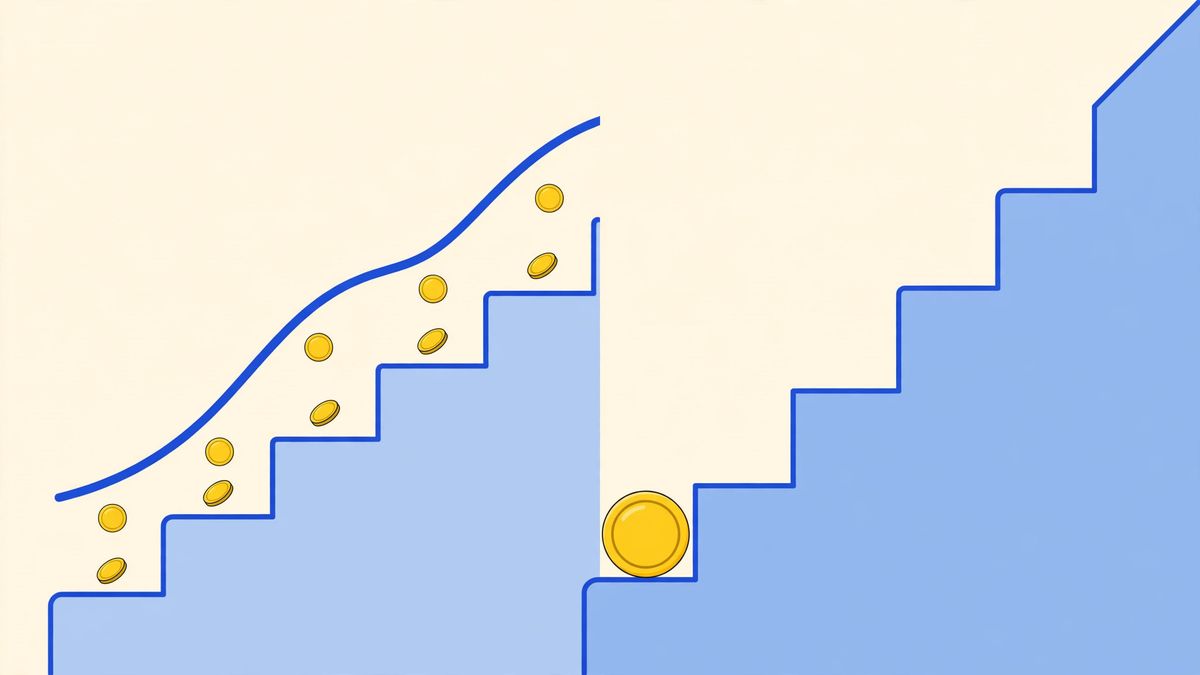
Invest a windfall all at once or drip it in? What the evidence generally shows, the loss-aversion psychology behind the choice, and a 4-question decision framework.

How glide paths work, "to" vs "through" designs, the fee gap between index and active versions, and when a one-fund portfolio is genuinely enough.

Calendar vs band rebalancing, rebalancing with new contributions first, and tax-smart moves — wash-sale rules included — for taxable accounts.

Why bond prices fall when rates rise, what duration tells you about the damage, and why higher yields are quietly good news for patient holders.

Account types, settlement, limit vs market orders, dividend reinvestment, beneficiaries, cost-basis settings, and the security setup to do on day one.

Leveraged ETFs held too long, overlapping funds, wrong-time-of-day trades — seven classic beginner errors and the one-line fix for each.
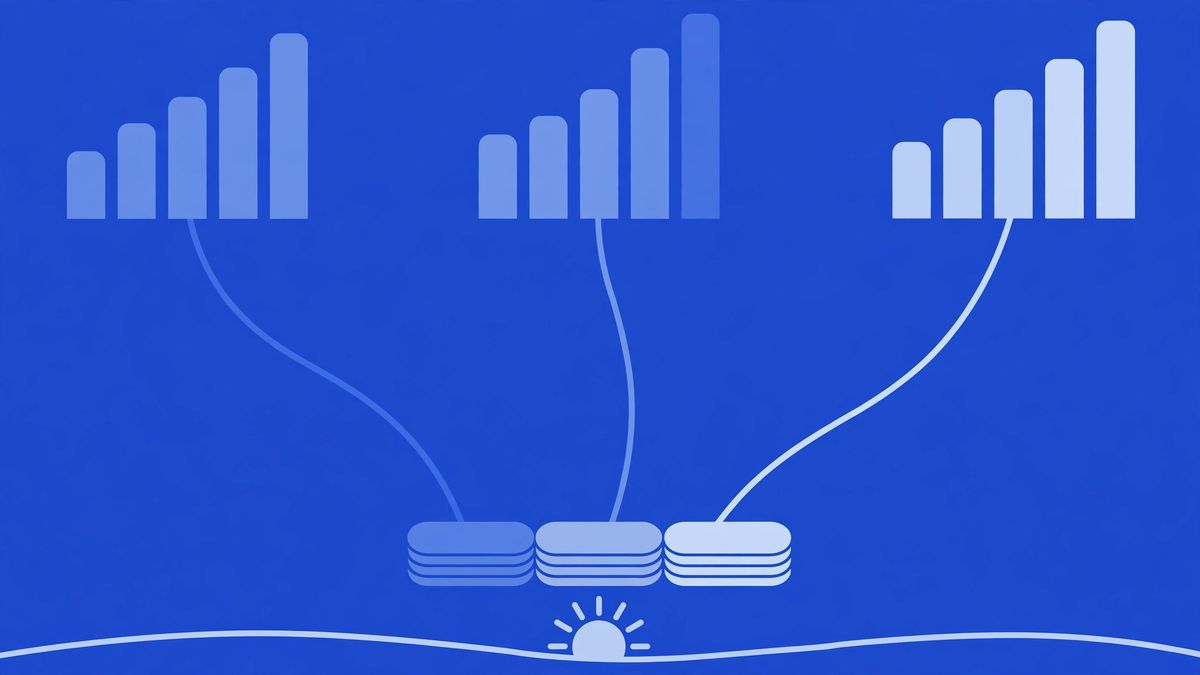
A 2045 fund is not a 2045 fund: how "to" vs "through" designs, equity landings, and fees differ across providers — and who should skip TDFs entirely.

Price change ≈ −duration × yield change: the one formula that sizes your rate risk, plus why rising yields quietly help patient holders.